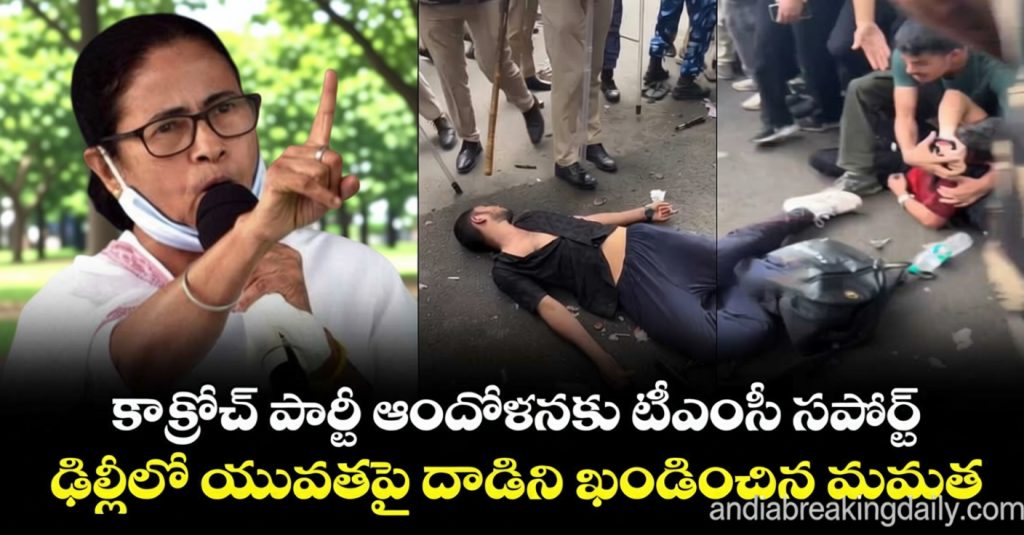
Kakroch Party Backs Delhi Youth Protests Against Police Brutality
Delhi Youth Protests Gain Political Momentum
Indiabreakingdaily.com – క క ర చ ప ర ట – The Kakroch Party has emerged as a prominent voice in condemning the recent police brutality directed at youth and students in Delhi, marking a significant shift in political dynamics. This support comes amid widespread demonstrations demanding accountability from the central government, particularly the education ministry, for its handling of student protests. Chief Minister Mamata Benarjee has taken a firm stance, publicly criticizing the police’s use of force during these gatherings and emphasizing the need for a more compassionate approach toward young activists.
“The Kakroch Party’s endorsement of the youth protests underscores a growing awareness of the need for dialogue over suppression. Today’s violence against peaceful students in Delhi is not just an attack on individuals but a challenge to democratic principles. How can a government that claims to represent the people justify mistreating its own youth?”
Protesters have occupied key locations such as Jantar Mantar and the Parliament, demanding an end to oppressive measures and better representation for students. The escalation of violence during these demonstrations has drawn attention to the disproportionate use of force, with reports of tear gas, lathis, and arrests. Notably, prominent CPI leader Abhijit Dipak and other activists were among those detained, while several students sustained injuries during the clashes. The incident has also highlighted the role of Gitaanjali, the wife of Sonam Wangchu, who was fasting as part of the protests and became a symbol of resilience.
Political Coalition Against Police Crackdown
The Kakroch Party’s alignment with the youth protests has sparked discussions about a broader political coalition against the government’s crackdown. This movement has gained traction as more leaders, including opposition figures, have joined the chorus of condemnation. Rahul Gandhi, the leader of the Congress party, has criticized the administration’s response as inhumane, while other opposition groups have echoed similar sentiments. The protests are seen as a turning point in the ongoing debate over student rights and government accountability.
Delhi’s youth have organized themselves across multiple fronts, leveraging social media and grassroots networks to amplify their message. Their demands extend beyond immediate relief, calling for systemic reforms in education policies and a greater voice for students in decision-making processes. The Kakroch Party has emphasized the importance of these reforms, framing the protests as a necessary step toward justice. This has resonated with younger voters, who are increasingly active in shaping political discourse.
“Kakroch Party’s support for the youth protests reflects a shared concern over the erosion of democratic freedoms. The police brutality witnessed in Delhi today is a stark reminder of the tensions between law enforcement and student activism. We must ensure that the government addresses these issues, not just with punitive measures but through meaningful engagement.”
Escalating Tensions and Public Outcry
The demonstrations have taken on a more intense tone as students and activists continue to push for stronger action against the police’s tactics. Videos of the clashes have circulated widely, showing instances where protesters were beaten and tear-gassed despite their peaceful nature. This has fueled public outrage, with citizens calling for investigations into the officers involved. The Kakroch Party has urged the government to take responsibility for the incidents and restore public trust in its institutions.
Analysts suggest that the protests highlight a deepening rift between the ruling party and its younger constituents. The central education minister’s policies, which have been criticized for neglecting student welfare, are at the heart of the controversy. The Kakroch Party’s backing of the protests has also drawn comparisons to past movements, such as the 2019 Delhi riots, where similar themes of injustice and government overreach were prevalent. This continuity underscores the long-standing issues that continue to affect the city’s youth.
Global Attention and Long-Term Implications
As the protests gain momentum, they have attracted international attention, with media outlets and activists worldwide calling for an end to the violence. The Kakroch Party’s role in amplifying the students’ cause has positioned it as a key player in the political landscape. This support not only strengthens the protests’ visibility but also puts pressure on the government to address the grievances promptly. The long-term implications of the protests could include changes in education policies and a reevaluation of the government’s approach to public dissent.
“The Kakroch Party’s commitment to the youth protests is a critical factor in maintaining their momentum. By standing with students and activists, the party has demonstrated a willingness to challenge the status quo. This support is not just symbolic—it sends a clear message that the government must prioritize the well-being of its citizens over forceful suppression.”
Student Activism and Democratic Values
Student-led movements in Delhi have long been a testament to the power of youth in shaping political narratives. The Kakroch Party’s endorsement of these demonstrations aligns with the broader struggle for democratic values, which include freedom of speech and assembly. As the protests continue, they serve as a reminder of the importance of protecting these rights, especially for the younger generation who are often at the forefront of social change. The government’s response to the violence will be a defining moment in its relationship with the people it governs.
With the Kakroch Party’s active support, the protests have become a focal point for the youth’s aspirations. Their call for justice and better representation has inspired similar movements in other cities, indicating a nationwide trend. The Kakroch Party’s role in this context is crucial, as it provides a platform for students to voice their concerns. As the situation evolves, the party’s commitment to these issues will likely influence the trajectory of the protests and the government’s subsequent actions.