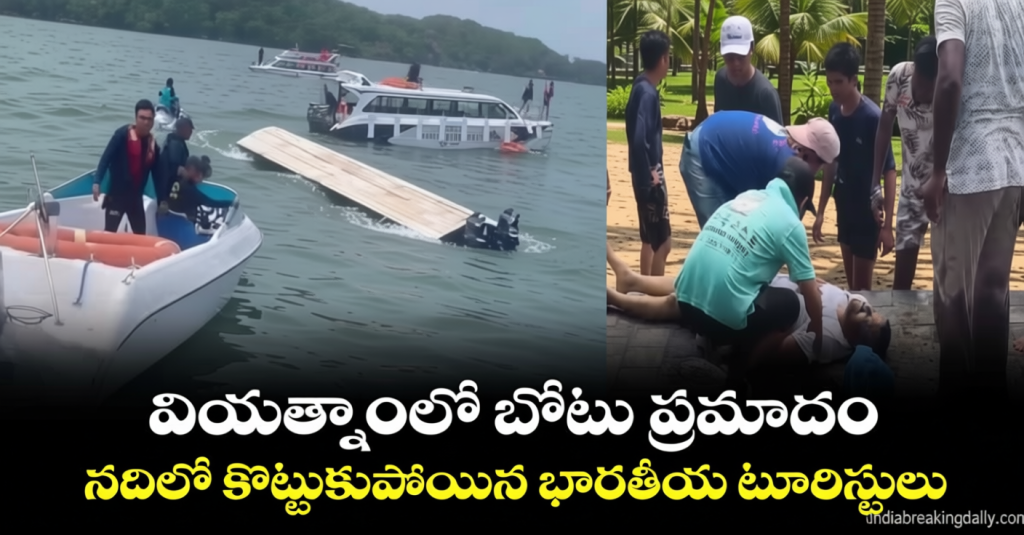
Tragic Boat Accident Near Phu Quoc Island Claims Lives of Indian Tourists
Indiabreakingdaily.com – వ యత న ల బ ట ప – On a recent day, a devastating boat capsizing incident occurred near Phu Quoc Island, a popular tourist destination in Vietnam, resulting in the loss of several lives among Indian travelers. The tragedy has sent shockwaves through the Indian diaspora in the region, with families and friends anxiously awaiting news about their loved ones. The focus keyword “వ యత న ల బ ట” (Vietnam’s boat) is central to this unfolding story, as the incident highlights the risks associated with maritime travel in the area. Local authorities and the Indian embassy have swiftly mobilized to conduct search and rescue operations, emphasizing the urgency of the situation and the need for immediate action.
Details of the Boat Capsizing Incident
The accident, which took place in the early hours of the morning, involved a boat that was reportedly carrying around 32 Indian tourists. According to preliminary reports, approximately 18 of these individuals have been confirmed deceased, with the remaining passengers still missing or presumed to be in critical condition. The majority of the victims are said to be from Telugu-speaking states in India, a region that has seen a significant increase in outbound tourism to Southeast Asia in recent years. Investigations are ongoing to determine the exact cause of the capsizing, with officials examining factors such as weather conditions, the boat’s structural integrity, and the crew’s preparedness for emergencies.
“This is a heartbreaking event. We are reviewing the circumstances with local authorities and taking necessary steps to ensure support for the affected individuals,” shared the Indian embassy’s social media post, which confirmed the incident. The embassy has also urged tourists to remain vigilant and follow safety guidelines while traveling in Vietnam. As of now, 22 rescuers are deployed on-site, and divers are actively searching for survivors in the shallow waters near the island.
Impact on Indian Tourists and Local Response
The incident has sparked a wave of concern among Indian tourists and their families, who are now re-evaluating the safety of their travel plans in Vietnam. Phu Quoc Island, known for its pristine beaches and vibrant marine life, has become a key destination for Indian travelers seeking cultural and recreational experiences. However, this tragedy has raised questions about the adequacy of safety measures in place for such excursions. Local Vietnamese officials have confirmed that the boat was operating in a designated tourist zone, but the absence of life jackets and the lack of a distress signal have been cited as critical factors in the severity of the disaster.
Emergency services have been working tirelessly to locate the missing passengers, with some reports indicating that a few survivors have been rescued and are receiving medical attention. The Indian embassy has also coordinated with Vietnamese counterparts to provide logistical support, including the transportation of bodies and the arrangement of temporary shelters for the affected families. This collaborative effort underscores the importance of international partnerships in addressing travel-related crises. Meanwhile, social media platforms have become a hub for updates and condolences, with hashtags like #IndiaVsBoat and #PhuQuocTragedy trending among Indian users.
Safety Concerns and Lessons Learned from the Tragedy
Experts and tourism officials have called for a thorough review of safety protocols on tourist boats in Vietnam. The incident has brought to light the risks of inadequate training for crew members and insufficient safety equipment on board. Phu Quoc Island, which attracts over a million visitors annually, has seen several similar accidents in the past, including one in 2021 where 14 tourists were lost at sea. These repeated incidents have prompted calls for stricter regulations and increased oversight of maritime tours.
Environmental factors also played a role in the disaster. The boat capsized during a sudden squall, which officials believe was exacerbated by the lack of real-time weather monitoring on the vessel. This has led to discussions about the need for better communication systems and emergency response plans. The Indian government has expressed its commitment to improving safety standards for its citizens abroad, with plans to enhance pre-travel briefings and monitor incidents in Southeast Asia more closely. For now, the focus remains on supporting the families of the victims and ensuring that similar tragedies are prevented in the future.